It’s complicated being a consumer these days. There’s so much information, but most of it is to get you to buy stuff rather than make financial choices that are good for you.
In recognition of National Consumer Protection Week 2026, March 1-7, the U.S. PIRG Education Fund is showcasing resources to help Americans address a wide range of common issues. U.S. PIRG is a public interest research group.
“Taking care of all of your personal business can seem like a part-time job sometimes,” Teresa Murray, consumer watchdog director for U.S. PIRG Education Fund, said in a statement. “We aim to help consumers help themselves with easy-to-understand guides focused on some of the problems that plague us most.”
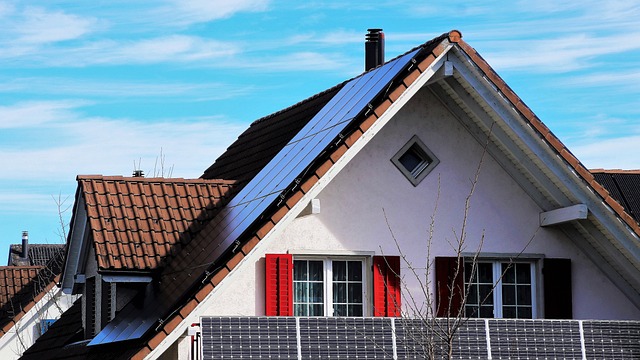
Solar panels
Spring is coming and this may be the year you decide to “go solar.”
“Solar energy is no longer just for wealthy homeowners in states graced with lots of sunshine year-round,” said Murry. “We advise consumers to approach solar panels like they would any other major purchase, such as for a roof or HVAC system. You need to do your homework.”
Solar power has many benefits. It’s pollution-free and converting the power of the sun into energy means cleaner air, a more stable climate, and less stress on natural resources.
However, one thing to look out for when you buy solar panels is predatory lending.
The nation’s leading residential solar energy financing lenders are using predatory methods including undisclosed profit arrangements with their preferred installers and expensive financing with hidden fees as a standard practice to target consumers for financial exploitation, according to a report by the Center for Responsible Lending, a consumer advocacy group.
The center said this solar debt increases the risk that the borrower will lose their home to bankruptcy or foreclosure. And, in addition, lenders’ installers often perform improper or incomplete solar panel installations that prevent homeowners from receiving the full benefit of reduced fossil fuel usage.
The center’s report, “The Shady Side of Solar System Financing,” found that these harms exist in all states.
Leading solar lenders use door-to-door sales teams that use high-pressure tactics, misleading information about potential energy savings or eligibility for energy tax credits, and confusing contracts that entice consumers to sign solar financing agreements that often leave them in a worse economic situation, the report reveals.
For more tips on how to buy solar panels, check out the U.S. PIRG Education Fund’s consumer guides.
It’s offering the guides on solar panels during National Consumer Protection Week 2026:
Solar Panels 101: Questions to Ask If You’re Considering Them
Why Go Solar?
The next article, which also celebrates National Consumer Protection Week, will be on what to do about the increasing number of recalled products that can injure or kill you or your family.