
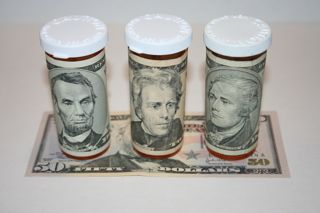
 Getting a “medication cost-savings checkup” with a local pharmacist can help consumers reduce their out-of-pocket costs – and prevent drug errors and interactions.
As the costs of drugs continues to grow, Consumer Reports has proclaimed April 7 through 14 as National Save Money on Your Meds Week.
During the week, consumers are urged to bring their prescription medications to their local pharmacy to make sure they’re saving as much money as possible through using generic drugs, getting 90-day prescriptions, utilizing in-store discounts, and asking the pharmacist for the lowest possible price.
Consumer Reports’ team of “secret shoppers” found that people can often get a lower price by asking their pharmacist. Pharmacists aren’t always able to offer this information, unless a consumer asks, due to prohibitive contracts with pharmacy benefit managers. While you’re there, ask the pharmacist to check your medications for any potentially dangerous interactions, and possibly eliminate unnecessary drugs. Retailers including Costco, Publix, and independent pharmacies through the National Community Pharmacist Association, and others have pledged support for this medication checkup week.
“There are ways for consumers to hold the line, or even reduce, what they spend on drugs,” said Lisa Gill, deputy editor of Consumer Reports. “CR offers a variety of tips that consumers can use to reduce their out-of-pocket expenses.”
Americans already spend more on drugs – about $450 billion in 2016 – than people in any other country in the world. And costs continue to climb. In 2016, total drug costs went up nearly three times the rate of price increases for other goods and services, according to the U.S. Department of Labor. In addition, the amount consumers have to pay for out of pocket for medications is increasing, from about $25 billion in 2000 to an estimated $67 billion in 2025.
The high costs of medications are forcing people to cut back on groceries, delay retirement, and even take a second job, according to a survey by Consumer Reports of nearly 1,200 adults who currently take a prescription drug.
Some of those surveyed say they’re making potentially dangerous choices such as rationing or even stopping their medications. One out of every five people, who face a sharp increase in the price of their drug, say they didn’t fill their prescription at all — with the decision happening at least 6 million times last year, according to the survey.
Consumer Reports offers these strategies to consider for people who want to reduce out-of-pocket drug costs:
- Ask your doctor whether you need a drug. You might not. In a recent Consumer Reports survey, 70 percent of those who asked their doctor if they could cut down on their drugs were able to eliminate at least one.
- If a drug is necessary, ask how much it will cost. Consumers tell Consumer Reports that most doctors don’t regularly talk about drug costs. So, you might need to take the lead.
- Get generic drugs. It could save you up to 85 percent off of a brand-name drug’s price.
- Look into 90-day prescriptions. That’s important if you regularly take medications for chronic conditions such as high blood pressure or diabetes. The longer prescription reduces the number of co-pays that you have to make. Even if you don’t have insurance, you may still save by buying in bulk.
- Ask your pharmacist for the lowest possible price. Pharmacists aren’t always able to offer this information unless a consumer asks.
- Shop around. Consumer Reports secret shoppers found huge variation in retail prices even among pharmacies within the same zip code. It found Costco was consistently the lowest-priced national retailer while Healthwarehouse.com was the lowest online. One caveat: Shopping around like this won't count toward your insurance deductible.
For more information on how to pay less for your medications, visit CR.org/drugcosts or check out the May issue of Consumer Reports magazine.




Glad I’m not on meds but I know many people who are. They can be so prohibitively expensive and it’s always a good idea to check to see if they are necessary or can be obtained at a cheaper cost.
Hi Rebecca,
I’m lucky, too, that I’m not on medications.
This article provides so much helpful information. It’s incredible to learn that some pharmacists can’t tell you the lowest cost of a prescription drug unless you ask.
Rita