
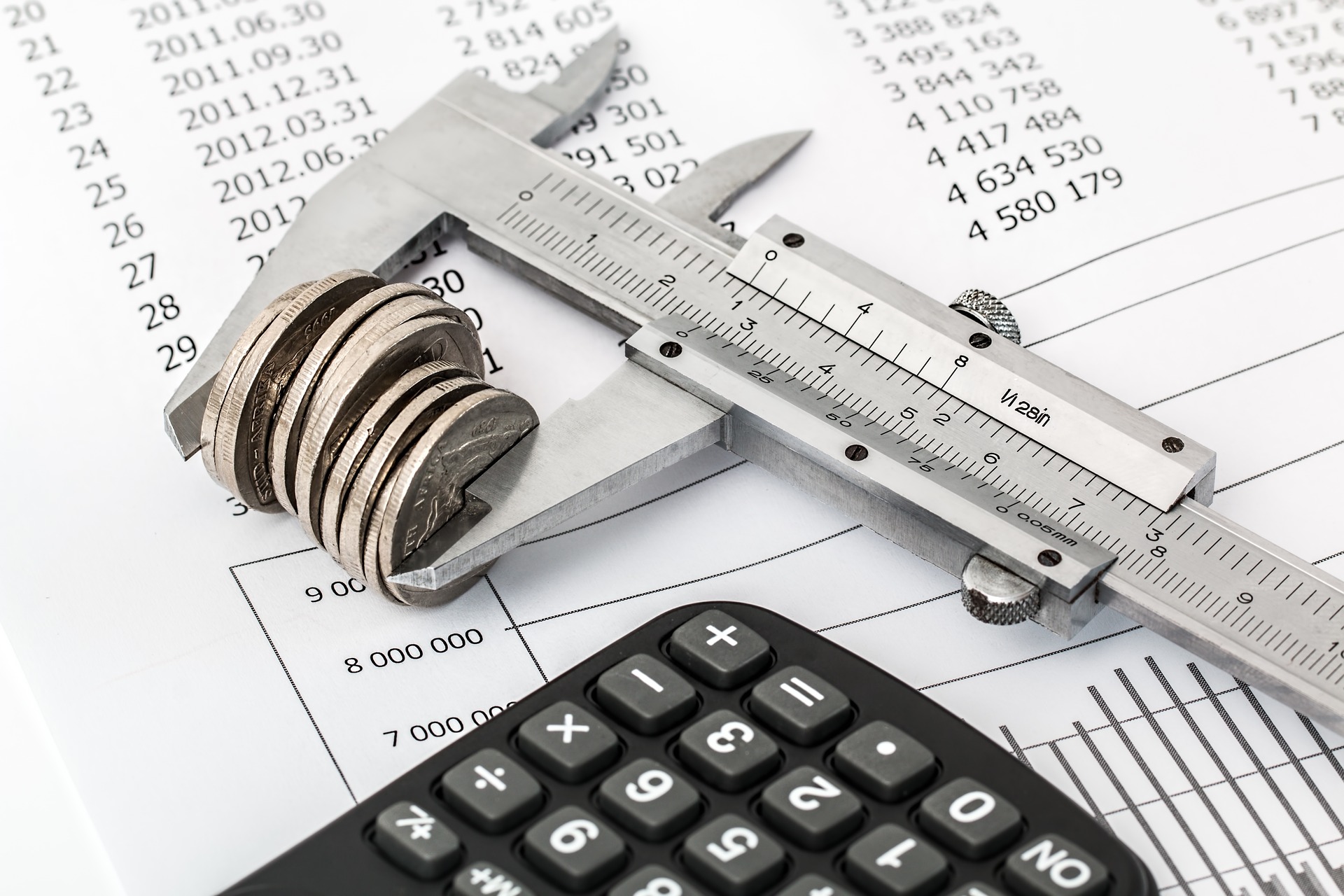
 Like many people during covid-19 times, you may have seen your income decrease.
Taking a look at what you’re getting and what you’re spending can help you make changes to help you through the tough times.
Reviewing your expenses and income together can help you identify expenses you may be able to cut or reduce and purchases you might be able to delay. It will also make sure you have enough money to pay for things that are a priority.
Creating a budget
Income and expenses are two parts of a budget that can change over time.
A budget is a great way to help you track your income and expenses and designate specific amounts of money for spending. Putting it together in one place can help you make adjustments to make sure you’re not spending more than you’re earning.
Review the expenses you pay annually or semiannually, such as taxes or insurance premiums, and put them in your plan.
Update your budget to include all income, such as wages and bonuses, and other funds. And update your expenses as they change, such as utilities, mortgage or rent payments, car payments, food, and entertainment.
It’s helpful to consider any coming expenses, such as education costs, to see the impact they’ll have and prepare for the change.
Online tools or mobile apps can help create a budget and make it easier for you to stick to it. Some apps are Mint, YNAB, EveryDollar, and Honeydue.
For more budgeting tips, see the Federal Deposit Insurance Corporation’s Consumer News: “Time to Take a New Look at Your Money Habits.”
Reviewing payments made automatically each month
Some expenses on automatic payment may look small but they can add up over time. Review your credit card and checking account statements for expenses that are charged on a recurring basis.
Determine whether you’re still getting value or need the products or services. You may find you have the same benefits elsewhere, so eliminate costly duplicates.
Paying yourself first
Saving money may seem impossible when funds are tight, but consider opening a savings or money market deposit account to regularly set aside money for emergencies.
Treat your savings like it’s a bill and pay yourself first, even if it’s a small amount. Have the amount automatically taken out of your paycheck. Consistent saving add up over time.
Set savings goals that are easy and manageable. A habit of saving will help you well into the future.
Using credit wisely
While a credit history is important, so is understanding how to manage credit.
Make your loan payments on time. Avoid using your credit cards for impulse items and charge only what you can pay off in the following billing cycle. If you pay the balance in full by the payment due date each month, you won’t be charged interest.
Carrying an unpaid balance on your credit card will result in interest charges, some of which, such as retail credit cards, can be high. Interest is also charged on cash advances beginning on the transaction date.
Paying your loans on time and other parts of your credit history will often determine whether a financial institution will approve your application for a loan and/or determine the interest rate you’ll pay for the loan.
For more information, visit the FDIC’s “Consumer Protection Topics – How to Choose and Use a Credit Card.”




Great advice. Retirement has been a blessing during the pandemic, as a steady income continues. Pre-planning and goal setting was the key.
Rita, Strangely, I love money management. I love budgets, paying bills, and even investing in the stock market! Always happy to get more advice.
I’ve been using Mint for a long time and love it. I find I’m spending much less because of being stuck at home. My biggest expense has been my dogs. I’ve saved a bundle on my hair and have been cutting it by myself and not dying it, although I’m not loving the look of my grays.
Steady retirement income, loving money management, and using mint — all good money management techniques. Keep up the good work.