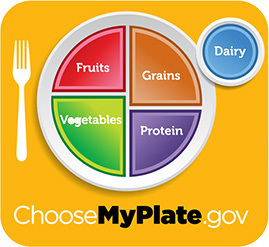
 The Dietary Guidelines, published every five years, have been consistent from one administration to the next, and generally recommend whole, nutrient-dense foods. In addition to representing the government’s basic nutrition advice to the public, the guidelines shape federal food programs such as the school meals program.
Since the first adoption of the guidelines in 1985, their recommendations have been based on the evidence summarized in their scientific report, the most recent of which was released in December.
Public health and medical groups will be looking to see if any of the unscientific personal nutrition beliefs of Robert F. Kennedy Jr., secretary of the Department of Health and Human Services, will seep into the Dietary Guidelines. Kennedy has advocated frying in beef tallow and drinking unpasteurized milk, and he has spread conspiracy theories on seed oils.
“If the next version of the Dietary Guidelines for Americans recommends replacing seed oils with beef tallow, that would be the exact opposite of current science-based advice to reduce the risk of heart disease,” Peter G. Lurie, M.D., president of the Center for Science in the Public Interest, said in a statement. “And it would be a clear sign they’ve decided to discard the evidence base in favor of one individual’s pet peeves.”
Fifty-five public health and medical organizations are calling on Kennedy and U.S. Department of Agriculture Secretary Brooke Rollins to adopt the advice of the 2025 Dietary Guidelines Advisory Committee, or DGAC, as their agencies finalize the guidelines for Americans.
The groups are concerned whether the guidelines will continue its recommendation to limit saturated fat, which is found in higher amounts in beef, full-fat dairy products, and butter.
“The scientific consensus remains clear: saturated fat is consistently linked with increased risk of cardiovascular disease, and replacing saturated fat with unsaturated fats, particularly polyunsaturated fats, has well-documented benefits for cardiovascular health,” the groups wrote in their letter to the agencies.
The current guidelines, published at the end of President Trump’s first term, recommended that people aged 2 and older limit saturated fat to less than 10 percent of calories. The scientific report of the guidelines recommends maintaining this limit, with a new emphasis on replacing animal sources of saturated fat with unsaturated fats, such as those found in plant-based proteins and oils.
The groups also defended the DGAC against allegations in the report on chronic disease published by the Make America Healthy Again Commission, of which Kennedy and Rollins are members. That report questioned the trustworthiness of the committee and speculated that its recommendations are impacted by financial conflicts of interest among committee members.
“While there is always room for improvement in the disclosure and management of conflicts of interest on the DGAC, over time their evidence review process has become increasingly transparent and systematic, and it is designed to minimize bias,” the groups wrote. “Adopting the science-based recommendations of the DGAC would align your administration with those who have stood firm against industry influence, as you have promised.”
In addition to the center, groups signing the letter to Kennedy and Rollins include the American Academy of Pediatrics, Earthjustice, Moms Rising, and Partnership for a Healthier America.