
Usually, I don’t write about proposed legislation, but wait until the proposals become law.
However, I’m so upset about surveillance pricing – and Congress isn’t doing anything about it – that I’m going to report on it.
What is surveillance pricing?
It’s an unfair pricing scheme in which companies use personal data to set individualized prices for consumers.
Two bills, called the One Fair Price Package, are being proposed in the state of New York that would protect New Yorkers from surveillance pricing.
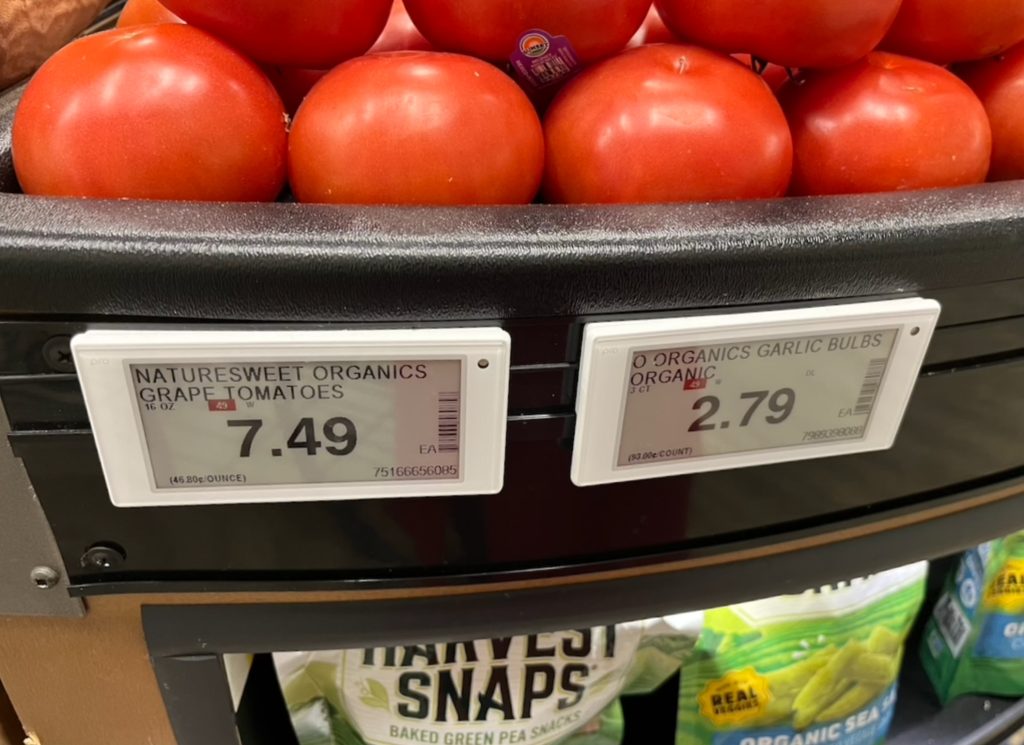
The One Fair Price Act and the Protecting Consumers and Jobs From Discriminatory Pricing Act would ban the use of electronic shelf labels and prohibit surveillance pricing in grocery stores and pharmacies.
“When New Yorkers place an order online or go to the grocery store, they should be able to trust that they are seeing the same prices as everyone else, not an individualized price set by an algorithm,” New York Attorney General Letitia James said in a statement. “At a time when New Yorkers are already facing higher prices everywhere they look, we must use every tool available to us to protect New Yorkers and keep costs down.”
Surveillance pricing, sometimes called algorithmic pricing, occurs when companies use individuals’ private data to set unique prices for different consumers, and often results in consumers paying more for items. Online platforms collect thousands of data points about every consumer, from their usual purchases to when they receive their paycheck or benefits, to even how long they hover over an item online.
Companies then use this information to inform pricing algorithms that continuously update to estimate the highest price a consumer is likely willing to pay at any given moment. As a result, two shoppers could visit the same website at the same time and see two different prices for the same item.
Research shows that surveillance pricing is already impacting everyday purchases. A recent study involving hundreds of shoppers ordering groceries online found that 74 percent of grocery items were offered to consumers at multiple different prices, and some items were offered at up to five different prices at the same time.
Surveillance pricing isn’t limited to shopping online. Electronic shelf labels, or ESLs, allow companies to change prices in-store, so that one shopper could buy a gallon of milk at one price while another shopper would pay more for the same gallon later that same day.
ESLs not only harm consumers trying to make ends meet while prices continue to rise, but they also threaten the livelihoods of grocery store workers, as they could eliminate the work of grocery clerks.
The One Fair Price Package includes two bills:
- The One Fair Price Act would ban surveillance pricing and prohibit the use of consumers’ personal data to set individualized prices.
- The Protecting Consumers and Jobs from Discriminatory Pricing Act would protect consumers and workers by prohibiting the use of ESLs and surveillance pricing in grocery stores and pharmacies.
“Surveillance pricing robs consumers of the ability to comparison shop and obscures whether a price is fair,” said Beth Finkel, state director at AARP New York, an advocacy group. “It puts older New Yorkers, people on fixed incomes, rural residents, and anyone who depends on online shopping at heightened risk.”
Finkel said consumers – not corporations and not algorithms – should decide what they can afford.
The One Fair Price Package would authorize the New York Attorney General’s Office and impacted New Yorkers to bring civil cases for penalties and restitution against companies or retailers that use surveillance pricing.
These bills have been introduced in the State Senate and Assembly, so they will need to work their way through the legislative process and be signed by the governor before they become law.



