
With winter storms gripping the East Coast and the Midwest, millions of Americans are dealing with emergencies of staggering proportions.
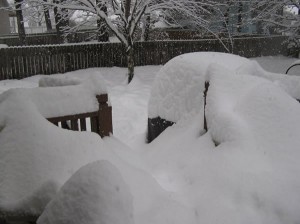 How are you doing? If you’ve been hit by blizzard conditions, were you prepared with an emergency kit in your car and enough food to eat until the roads were cleared? What did you do when the power went out?
If you haven’t given much thought to what you need to do to be prepared for an emergency, now is the time to think this through.
You may need to survive on your own after a disaster. Or, you may have to evacuate at a moment’s notice and take essentials with you. You probably won’t have the opportunity to shop or look for the supplies you need.
A disaster supplies kit, a collection of basic items that members of a household may need in the event of a disaster, will help you be prepared.
The Federal Emergency Management Agency’s recommends kits be placed in the following locations:
For the home
- Fill your disaster supplies kit with essential food, water, and supplies for at least three days.
- Keep the kit in a designated place and have it ready in case you have to leave your home quickly.
- Make sure all family members know where the kit is kept.
- Stock up on supplies so that you can be in your home for up to two weeks.
At work
- Keep the kit in one container so it can be ready to "grab and go" in case you're evacuated from your workplace.
-
Make sure you have food and water in the kit.
- Be sure to have comfortable walking shoes at your workplace in case an evacuation requires walking long distances.
In your car
- Keep a kit of emergency supplies in your car, in case you’re stranded.
- Fill the kit with food, water, first aid supplies, flares, jumper cables, and seasonal supplies.
See FEMA’s “Are You Ready? Assemble a Disaster Supplies Kit” for details.
Another resource is Kiplinger’s “Your Essential Emergency Kit,” which offers steps to protect you and your loved ones against natural and personal disaster.
Be a prepared boomer consumer and protect yourself and your loved ones during emergencies.




Good points.. never read Kiplinger’s list so that was good too. Good planning and being prepared will get you and your family through a disaster with much more comfort and less stress. With the recent weather events, people will be in reaction mode, which is good to get started, but don’t let that momentum go… work on and build your emergency kits slowly so it doesn’t burst your budget, search the Net for tons of great information and take a first-aid course.
Living in a hurricane zone, we are lucky to get plenty of reminders to prepare before hurricane season starts in June. After the season ends in November, I try to use up the extra products I’ve purchased and rotate in new ones so they don’t go bad. After having been without power for a week in one occasion,I now always keep at least 3 jars of peanut butter on hand and plenty of bread and bagels so my kids will have something they like to eat if the fridge fails.
Building your emergency kit slowly is a good idea. So is having plenty of peanut butter on hand.
Rita