

I just got a call from a man crying and saying, “Mom, I’m not doing very well.” I hung up. It was a scam. Not only don’t I have any sons, I’m also a consumer journalist who writes about scams frequently.
Imposter scams are one of the top scams every year. A few years ago, I received a call from my “granddaughter” saying she needed help because she broke her leg. I asked her why she was calling me not her mom. She lives in Madrid. Then I got it. It was a scam.
A Facebook friend also wrote today about a scam attempt she received in the mail.
It said “COUNTY DEED RECORDS” in all caps at the top. And it included some legal-looking language: Final Notice it warns. Call an 888 number “before it’s too late” and the “expiration date expires.”
These are typical scams that seem to be increasing during the holidays. Be on the lookout for them.
In addition, the San Francisco FBI offers these scam warnings for the holiday season:
- Online shopping scams
- Fraudulent websites or ads offering goods at unrealistic discounts.
- Items purchased through third-party marketplaces using stolen credit cards or accounts.
- Puppy scams involving fake advertisements for pets, with losses reported at $5.6 million so far this year.
- Charity scams
- Fake charities soliciting donations through phone calls, emails, crowdfunding platforms, and social media.
- Copycat organizations mimicking legitimate charities to steal funds.
- Cryptocurrency investment scams
- Fraudsters posing as trusted individuals convincing victims to invest in fake cryptocurrency platforms. Losses are often substantial, with victims unable to retrieve their funds.
- Gift card scams
- Scammers requesting gift card purchases for alleged emergencies, work-related functions, or as payment.
- Tampered cards with compromised security stickers or altered barcodes.
- Social media scams
- Posts offering fake gift cards or event tickets designed to steal personal information.
- Fraudsters duplicating ticket barcodes for resale.
Tips to protect yourself
To avoid becoming a victim, the FBI advises the following precautions:
- Verify websites and offers: If a deal looks too good to be true, it probably is. Avoid clicking on suspicious links or ads.
- Secure your accounts: Use strong, unique passwords for banking, shopping, and rewards accounts.
- Inspect gift cards: Check for signs of tampering, such as misaligned packaging or scratched-off security codes.
- Donate wisely: Verify charities through trusted sources and avoid those soliciting donations via gift cards or wire transfers.
- Be skeptical of requests: Government agencies or law enforcement will never demand payments via phone, email, or gift cards.
Remember, an informed, alert consumer is the best protection against fraud.



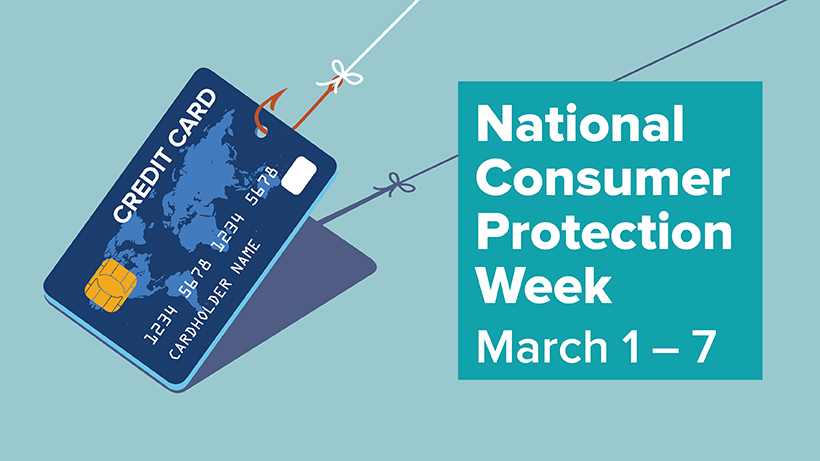
Oh my gosh, so many scams this season.
Yes, it’s always good to on the alert and remember the consumer protection saying, “If it looks too good to be true, it probably is.”