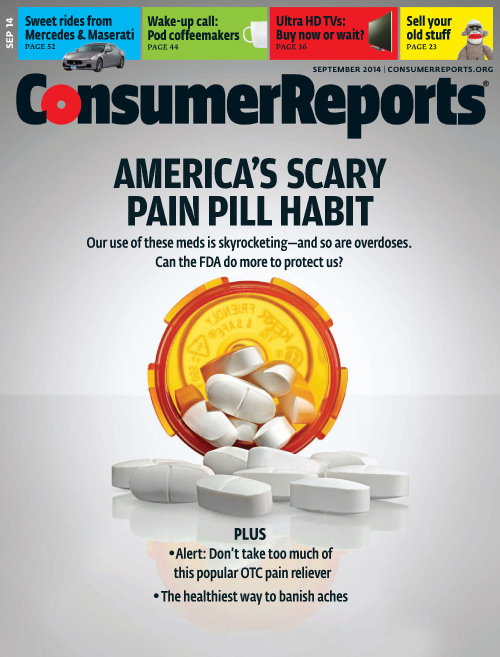
Fosamax, one in a class of drugs called bisphosphonates, is supposed to make bones stronger. But now there’s mounting evidence that, for some women, taking these medications for more than five years could cause spontaneous fractures, according to the ABC News.com article “Osteoporosis Drugs, Like Fosamax May Increase Risk of Broken Bones in Some Women.”

This isn’t the first time that many doctors have reported an opposite effect for people taking the drug. Fosamax has already been linked to severe musculoskeletal pain, as well as a serious bone-related jaw disease called osteonecrosis, the article reports.
In addition, the Food and Drug Administration asked the manufacturer, Merck, in 2008 to add information about the report of femur fractures. A year later Merck added in small print on the package insert listing possible side effects from the drug six words: “low energy femoral shaft and subtrochanteric fractures.”
What does the FDA recommend that women who take Fosamax or other bisphosphonates do?
In a safety announcement on the agency’s Web site, the FDA advises the women taking the drugs to (1) talk to your healthcare professional if you develop new hip or thigh pain or have any concerns with your medications and (2) report any side effects with your bisphosphonate medication to FDA’s MedWatch program.
The National Osteoporosis Foundation recommends:
- Meet annually with your doctor to review your osteoporosis treatment plan. If you aren’t at high risk of breaking a bone, you may be able to take a ‘drug holiday’ after five years of treatment. This means you stop taking the drug but have regular appointments to check on your bone health.
- If you are at high risk of breaking a bone, you may benefit from continuing to take these drugs after five years. Or, you might consider switching to another osteoporosis drug.
- If you have an unusual ache or pain in your hip or thigh bone, see your doctor. There have been reports of people getting such symptoms – sometimes for weeks or months – before having an atypical fracture in their femur.
For other things you can do, the foundation advises:
- For an osteoporosis medicine to work, you also need to get enough calcium and vitamin D. Eat a balanced diet that includes fruits, vegetables, and calcium-rich foods. Adults under age 50 need 1,000 mg of calcium and 400 to 800 IU of vitamin D a day. Adults age 50 and older need 1,200 mg of calcium and 800 to 1,000 IU of vitamin D a day.
- Regular exercise and physical activity are also necessary to have healthy bones. Try to make exercise a part of your daily routine. Take a walk every day, play a sport, go to a fitness center, or find another kind of physical activity.
If you’ve been prescribed a bisphosphonate because you are at risk of osteoporosis but don’t yet have the disease, you might talk to your doctor about other treatment options, says Consumer Reports’ Health Blog in its article “Boning Up on the Link Between Fosamax and Atypical Fractures.”
Best wishes with your decisions about taking a bisphosphonate drug. It’s a complicated issue for baby boomer consumers. No one wants to get a disfiguring osteoporosis hump on her back or be stooped over. However, the possible side effects of these drugs are troubling.