
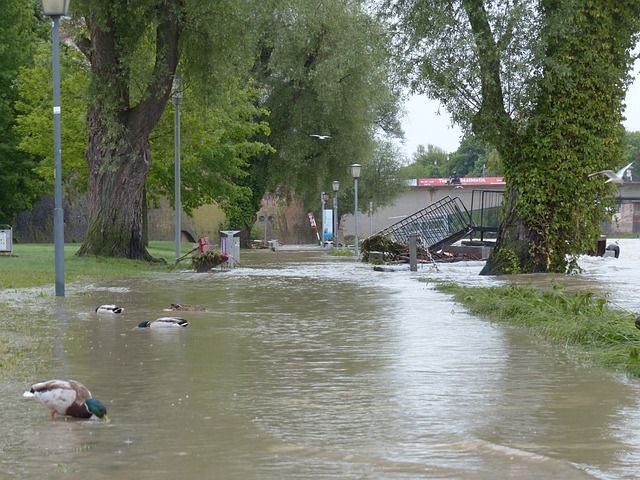
Winter is far from over with heavy rains causing extensive damage in California and Nevada this week. At least three people died from fallen tree incidents in northern California on Sunday and more than 200,000 households remained without power Monday night.
Dealing with the aftermath of flooding, wind damage, mudslides, or other storm destruction isn’t easy. However, knowing how to recognize and avoid scams can help you protect your finances and personal information.
The Federal Trade Commission offers the following tips to avoid fraudsters:
Avoid clean-up and repair scams. After natural disasters, unlicensed contractors and scammers may appear with promises of quick repairs, clean-up, and debris removal. Some may demand upfront payment and not do the work, claim you’ll get a discount but quote outrageous prices, or lack needed skills. Before anyone starts work:
- Check them out. Ask for IDs, licenses, proof of insurance, and references. See if local contact information is on their trucks. Check with state and local consumer protection offices for complaints,
- Get more than one estimate. Ask people you trust for recommendations.
- Read the contract carefully. Make sure all promises are in writing and that you understand what you’re signing.
- Never pay in cash. And never make the final payment until the work is done and you’re satisfied.
Spot imposters. Imposter scams come in many varieties but work the same way: a scammer pretends to be someone you trust and tries to convince you to send them money or give personal information.
- Some scammers pretend to be government officials, safety inspectors, or utility workers who say immediate work is required. Ask for IDs. If anyone asks you for money or your financial information, such as your bank account or credit card number, it’s a scam.
- Be aware that FEMA doesn’t charge application fees. If someone wants money to help you qualify for FEMA funds, it may be a scam.
Be alert for job scams. You may lose your job after a disaster strikes. To trick people looking for work, scammers advertise where real employers and job placement firms do. They lie about your chances of getting a job and often ask you to pay before you get one – which is a sign of a scam. You can get help finding work from:
- CareerOneStop. Sponsored by the U.S. Department of Labor, CareerOneStop lists thousands of jobs.
- State and county offices. Your state’s Department of Labor may have job listings or be able to point you to local job offices that offer counseling and referrals.
- College career service offices. See what help your school can offer. If you’re not a current or former student, some schools still may let you look at their job listings.
Watch out for rental listing scams. If you’re looking for a place to live, steer clear of people who tell you to wire money or who ask for security deposits or rent before you’ve met or signed a lease.
- Some scammers hijack a real rental or real estate listing by changing the email address or other contact information and placing the modified ad on another site.
- Other rip-off artists make up listings for places that aren’t for rent or don’t exist, and try to lure you in with the promise of low rent or great amenities.
Spot disaster-related charity scams. Scammers will often try to make a quick profit from the misfortune of others, including when disasters strike. Check out the FTC’s advice on donating wisely and avoiding charity scams.
Be on the lookout for price gouging. People often rush to buy necessities, such as drinking water, food, and medical supplies, before a storm. Retailers may take advantage of these spikes in demand by charging high prices for necessities, which is price gouging.
- Federal consumer protection laws don’t address price gouging, but state laws often do. Price gouging is generally based on average prices in an area before an emergency. A look-back period, such as 30 days, measures how high prices have risen during the emergency.
- Contact the Attorney General’s Office in your state to file a complaint.
Remember the consumer saying “An alert, informed consumer is the best protection against fraud” is especially true following a natural disaster.



