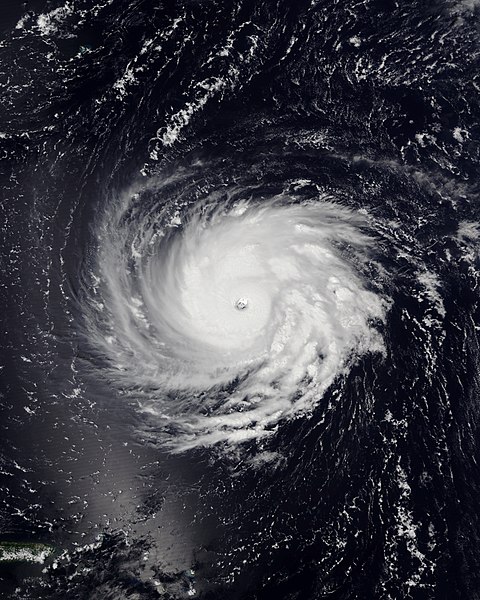
 If you’re considering donating to a charity to help victims of Hurricane Florence, be sure to check out the organization.
Following Hurricanes Harvey and Irma last year, some scammers used links to “charitable organizations” as a phishing attempt to steal personal information from those seeking to donate or to set up fake GoFundMe campaigns to solicit money.
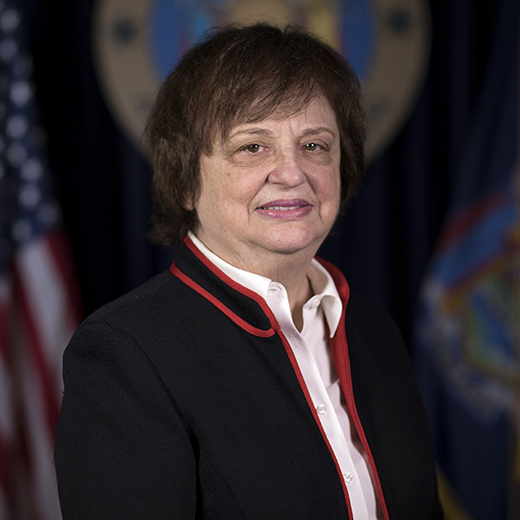
New York Attorney General Barbara D. Underwood offers the following tips for consumers who want to make a charitable organization:
Take time to research the organization. Make sure you’re familiar with the charity, its mission, and its effectiveness before giving. Always ask for information in writing – be wary if an organization won’t provide information about charitable programs and finances when you ask. Any legitimate organization will be willing to send you information. Check with the agency in your state that registers charities to make sure the organization is registered and to learn more about its mission and finances.
Know where your money will go. Find out from the charity what it will do with your money. Review the charity’s financial reports for information about how it spends donations. If you’ve been contacted by a telemarketer, check with the agency in your state that issues annual reports on them to see how much is spent on fundraising and how much has been kept by the charity. Ask how the charity plans to use your donation, including the services and organizations your donation will support. Ask if the charity already has worked in the affected local area or has relationships with any local relief organizations. Also, ask what the charity plans to do with any excess donations. Avoid charities that make emotional appeals but are vague in answering your questions.
Give to established charities. Donate to organizations you’re familiar with or that have experience assisting in disaster relief. Get information about charities that pop up when a disaster occurs or those with unfamiliar names.
Be cautious with telephone solicitations. Telephone calls asking for donations to charity are often made by a professional fundraiser who’s required to register with the state agency in your state. Remember – you can hang up. If you don’t end the call, ask whether the telemarketer is registered, how much of your donation will go to charity, and how much the telemarketer is being paid. Many telemarketers receive most of the money they raise. Giving directly to a charity avoids those costs.
Check before you text a contribution. Check the charity’s website or call the charity to confirm it has authorized contributions to be made by text message. Donations made by text messaging may not reach the charity until after your phone bill is paid. It may be faster to contribute directly to the charity.
Check before donating to an online giving site. Make sure your contribution to campaigns set up by individuals on sites such as GoFundMe or CrowdRise will go to charity and not to the person raising the funds. Don’t contribute unless you know the person.
Don’t respond to unsolicited spam emails. These formats aren’t usually associated with legitimate charities. Check the Department of Homeland Security’s tips, such as Avoiding Social Engineering and Phishing Attacks, that are posted here.
Never give cash. Give your contribution by credit card or a check made payable to the charity.
Be careful about personal information. Avoid giving credit card or personal information over the phone or by text message. Make sure you’re familiar with the organization and check to see that the fundraising campaign is legitimate before donating.
Report suspicious organizations. If you think an organization is misrepresenting its work or that a scam is taking place, contact the attorney general’s office in your state. The following websites also contain helpful information to evaluate charities:
- CharityWatch – charitywatch.org
- Better Business Bureau Wise Giving Alliance – bbb.org
- GuideStar – guidestar.org
- Charity Navigator – charitynavigator.org