I love May. When I was a kid, we used to make construction paper baskets, fill them with flowers, and put them on people’s doorsteps on May Day. It was so much fun to make them and receive them.
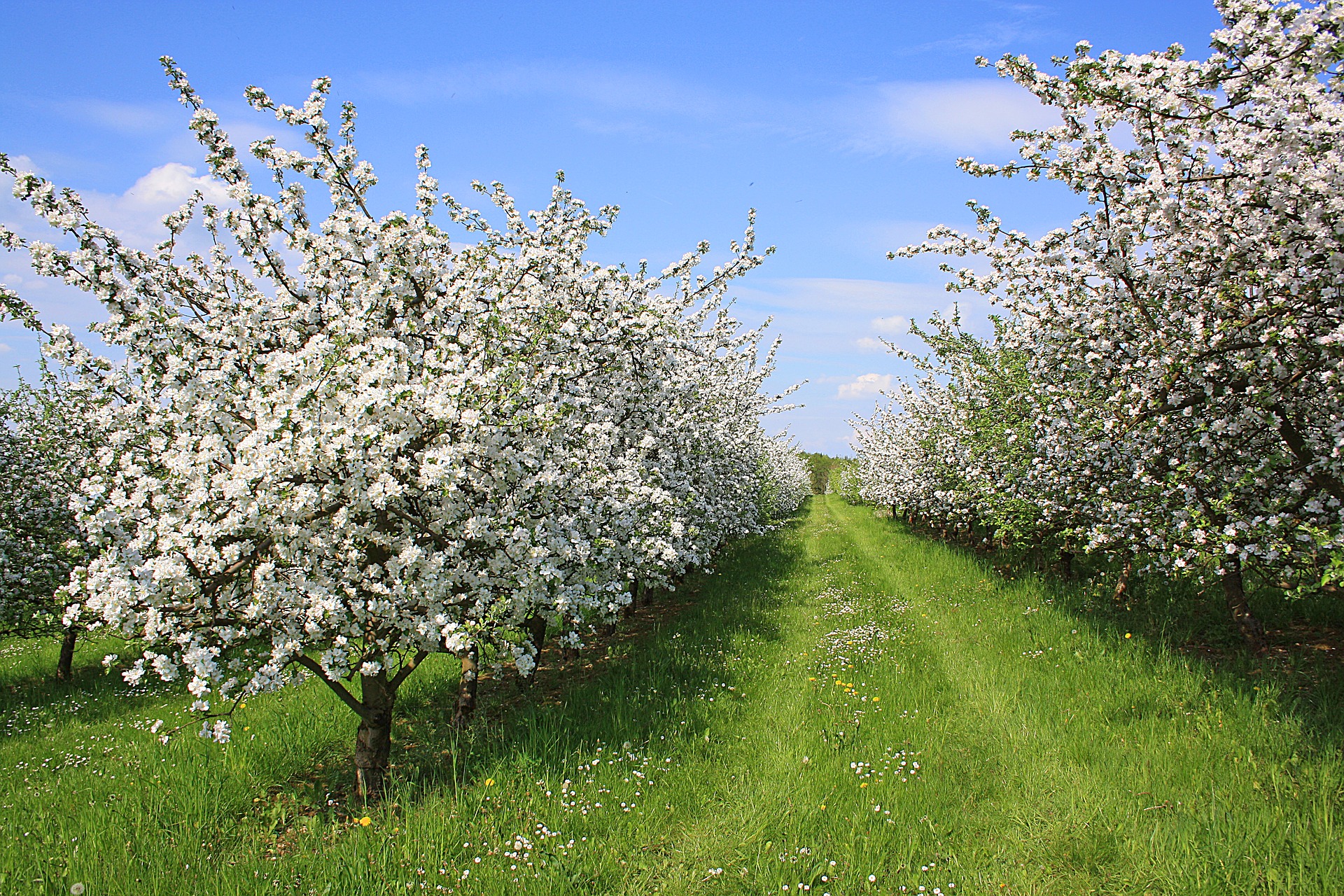
In addition, my birthday is May 4. So, I love it when spring comes and the flowers, bushes, and trees start blooming. When I was young and growing up on an apple ranch, I used to imagine that the apple trees blossomed just for my birthday. I’d run through the orchard and climb a tree, sitting there enjoying the wonderful fragrance and beauty of the acres of the blossoming trees.
When I was growing up, I only saw a Maypole ceremony done a couple of times. The maypole and the decorating it has roots in the ancient Pagan festival celebrating the beginning of the summer season.
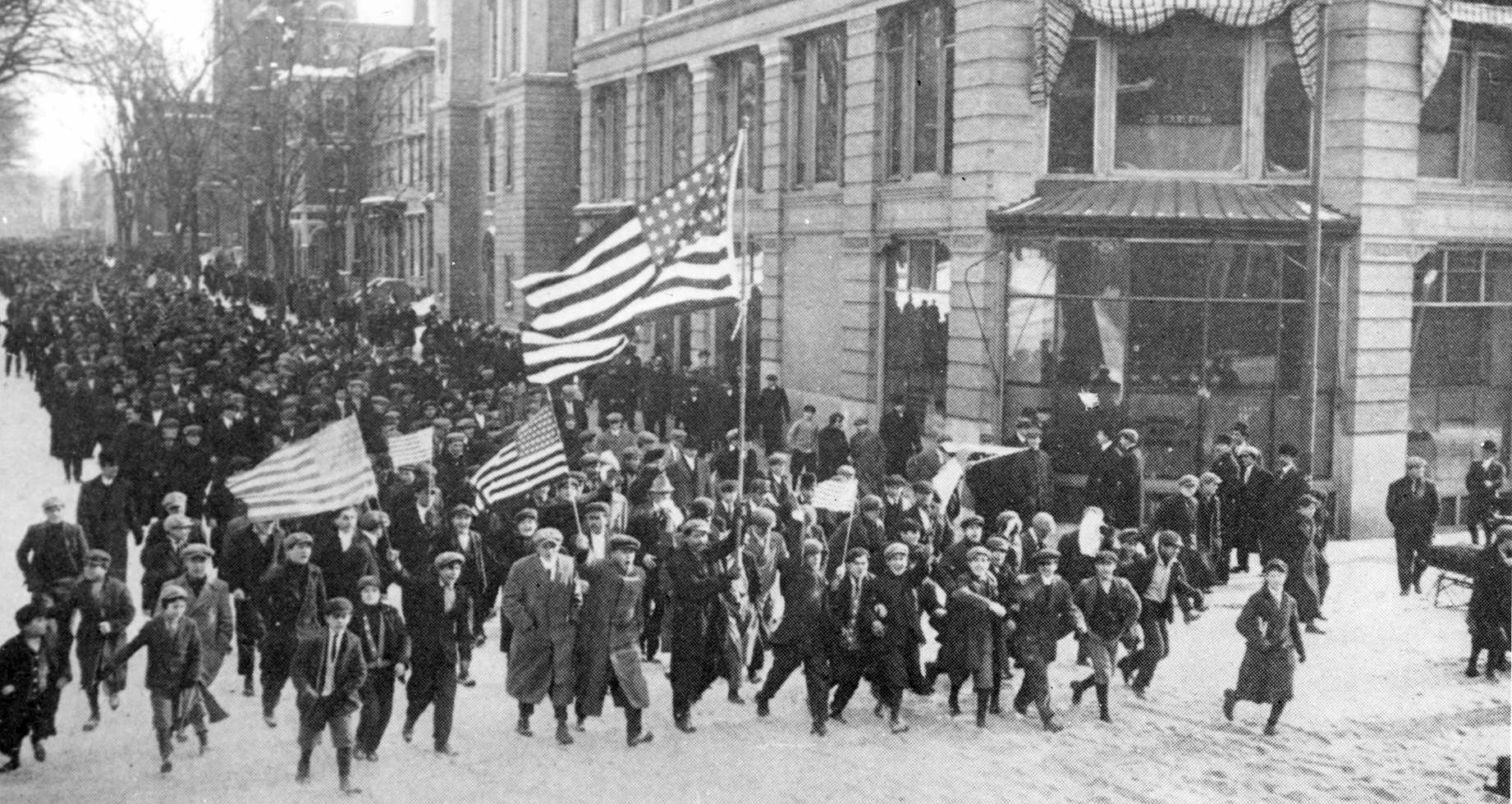
May 1 is International Workers’ Day. Why isn’t it celebrated in the United States?
It’s celebrated officially in 66 countries in the world and unofficially in most of the rest. It had its origins in the United States.
International Workers’ Day commemorates the historic struggles and gains made by workers and the labor movement. In the United States and Canada a similar observance, called Labor Day, occurs on the first Monday of September.
In 1889, an international federation of socialist groups and trade unions designated May 1 as a day in support of workers in commemoration of the Haymarket Riot in Chicago in 1886. Police fired on strikers gathered to advocate for the 40-hour workweek.
Five years later, U.S. President Grover Cleveland, uneasy with the socialist origins of International Workers’ Day, signed legislation to make Labor Day – already held in some states on the first Monday of September – the official U.S. holiday in honor of workers. Canada established Labor Day soon after that.
In Europe, May 1 was historically associated with rural pagan festivals, but the original meaning of the day was gradually replaced by the modern association with the labor movement.
In the Soviet Union, leaders embraced International Workers’ Day, believing it would encourage workers in Europe and the United States to unite against capitalism. The day became a significant holiday in the Soviet Union and in the Eastern-bloc countries, with high-profile parades, including one in Moscow’s Red Square presided over by top government and Communist Party officials, celebrating the worker and showcasing Soviet military might.
In Germany, Labor Day became an official holiday in 1933 after the rise of the Nazi Party. Germany abolished free unions the day after establishing the holiday, which destroyed the German labor movement at the time.