
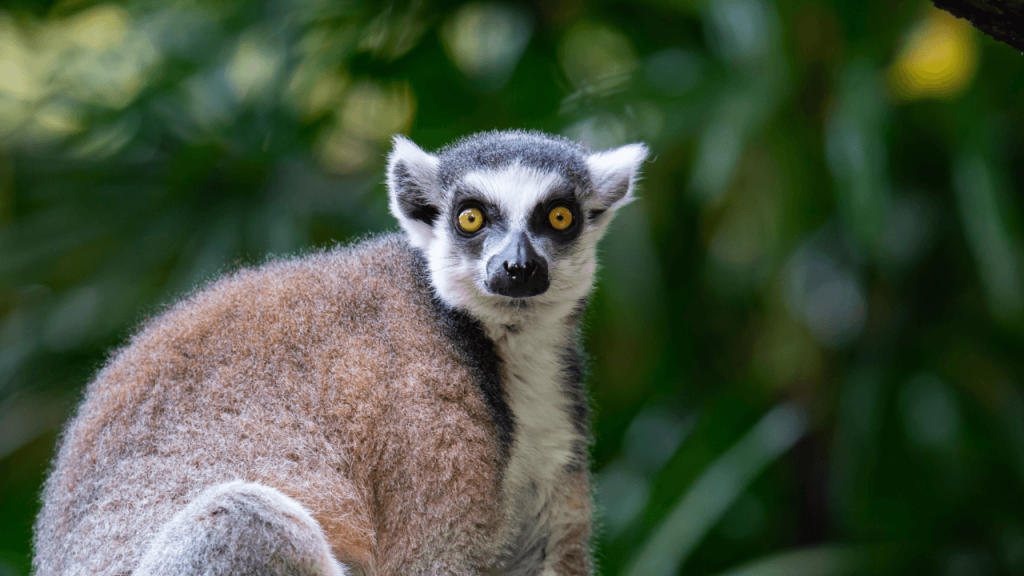
Today is World Lemur Day.
How do I know?
Several years ago, my niece, Debra Erickson, founded an organization called Wildlife Madagascar.
I was its first member. I sent Debra a check when she retired as an executive from the San Diego Zoo as a donation to the project she had yet to name. I left the To: line blank.
In the last three years, Wildlife Madagascar has made tremendous progress.
Three field sites are up and running:
- Anjanaharibe-Sud Special Reserve: Located in northeastern Madagascar, this formally protected area is primary rainforest habitat for the indri, aye-aye, silky sifaka, and other lemurs and critically endangered species.
- La Mananara (Anjozorobe-Angavo): Situated in central-eastern Madagascar, this private land holding of about 10,000 acres in a protected area supports populations of indri, diademed sifaka, and other endangered species. It’s one of the last parcels of natural forest remaining in the Central Highlands.
- Namoroka National Park: Found in northwestern Madagascar, the park is a formally protected area known for its unique geological features. It’s home to the critically endangered van der Decken’s sifaka, Tsiombikibo sportive lemur, and Namoroka leaf chameleon, as well as other species.
Of the 112 lemur species, 98 percent are endangered with about a third considered critically endangered.
Wildlife Madagascar focuses on research, reforestation, conservation education, ecotourism, and agricultural training. It also works with local people to bring prosperity to their communities as well as protecting and restoring the ecosystems lemurs depend on.
“On World Lemur Day, we raise our voices for the irreplaceable lemurs of Madagascar,” Erickson said in a statement. “These unique primates are facing a global-scale crisis: with less than 10 percent of their forest habitat remaining, their survival hangs in the balance. Scientifically and emotionally, this is a critical moment.”
The cost to become a member of Wildlife Madagascar is $25. All of the proceeds go to the organization’s field sites in Madagascar. You’ll get a monthly newsletter to keep up on the work of the organization, and the website has resources on lemurs and conservation research in Madagascar.
To become a member, click here.
T-shirts, hats, and stickers are available on the Wildlife Madagascar website. A book, “Lemurs of Madagascar,” a reference work and field guide on lemurs giving descriptions and biogeographic data for the known species, also can be purchased.
On World Lemur Day, help lemurs have a future.



