
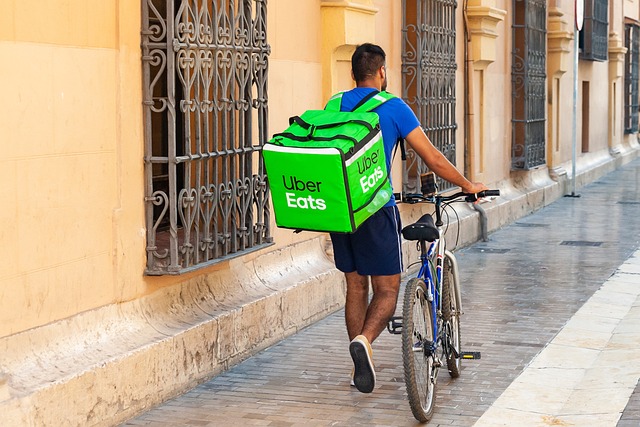
Since the pandemic, when people began relying on having food delivered to their homes, food delivery has soared.
People choose to have meals delivered for many reasons: working people and parents juggling busy schedules, older adults tired of cooking or unable to prepare meals, college students who want fast meals, those who are having guests, people who live in food deserts, food for work meetings, and more.
In 2025, 37 percent of adults ordered food delivery once a week, which has nearly doubled from right before the pandemic in 2019, according to the National Restaurant Association, a trade organization. In 2024, almost three of every four restaurant orders weren’t eaten in a restaurant.
While convenient, ordering meals delivered, like eating out, can cost people a lot of money.
Americans spend more than $1,566 annually on food delivery services, with an average order costing $35.42. On average, they order 3.7 times per month, and delivery eats up 3.7 percent of their annual income, according to UpgradedPoints.com, a website that provides information on credit cards, reward programs, and travel.
Younger generations are the biggest fans of food delivery, according to YouGov, an online research group. Forty percent of Gen Z and Millennials order from food delivery apps at least once a week. Meanwhile, only 21.5 percent of Gen X and just 10 percent of Baby Boomers order it.
Despite the fact that consumers have concerns about the environmental effects of packaging and low worker pay in home food delivery options, sales are expected to continue to skyrocket.
However, using a food delivery app too often can affect your finances.
If meals delivered to your home are destroying your finances, make a budget and try these meal preparation and planning tips from the Watauga County Center of the North Carolina Cooperative Extension:
- Make a list of your favorites for breakfast, lunch, and dinner. Refer to this list during your meal planning before grocery shopping.
- Use a weekly meal plan template to write down meals. Think about your schedule for the week. What events and meetings do you have?
- Use easy, health promoting recipes that you repeat every week. You could have “taco Tuesdays” and “Friday pizza night.” Have a pantry stocked with essential ingredients for these meals, and purchase the same perishable items each week.
- Adopt a plant-forward approach to add more fruits and veggies to meals. Consider onions and bell peppers in taco meat, extra veggies on pizza, fresh spinach and peppers added to spaghetti sauce, or chopped mushrooms mixed into lean hamburger meat.
- Chop and slice ingredients when you have spare time,so they’re ready for quicker meal preparation in the next few days.
- Cook once, eat twice. Cook large batches of favorite recipes so that you have left-overs for dinners and/or lunches.
- Cook large portions of vegetables and protein as your schedule allows. Then add a starch, such as rice or quinoa, and a sauce to create a bowl. Or quickly assemble a salad, burrito, or pasta dish with your ingredients.
- Cook large batches of soup, casseroles, and other dishes that freeze well. Divide them into meal-sized portions. This way, you eat one or two meals that are the same and then pull meals out of the freezer for more variety each week.
The Caldwell County Center of North Caroline Extension has these tips for speeding up food preparation by using your freezer:
- Chop a large amount of onions at once and freeze them in portions. They can be added to the pan right from the freezer.
- Stock a variety of commercially frozen vegetables. They’re high in quality, nutritious, and a time saver.
- Place 2 tablespoons of chopped herbs in each well of an ice cube tray, cover with water, and freeze. Then place in a freezer bag. Add the frozen cubes to pan sauces or soups.
- Slice portions of beef, chicken, or pork before freezing to be preprepared for a simple stir-fry.
- Buy bags of frozen shrimp that have been deveined. They thaw quickly under running water in just a few minutes.
- Portion out seasoned shredded chicken, pork, or beef and freeze for Mexican food. Making quick homemade burritos, tacos, or nachos requires only a few pantry staples and a minimum of additional preparation.
- Freeze soups for a complete meal. If your recipe has pasta as an ingredient, stir it into the soup when simmering to reheat. Noodles absorb too much liquid and become mushy when frozen.
- Thaw frozen casseroles completely in the refrigerator before baking. They’re big blocks of ice and can take up to 48 hours to thaw. Casseroles with pasta, such as lasagna, freeze well because they contain less water than soup.
- Make a large batch when you make a sauce and freeze portions for future dinners.
- Place hot food in the refrigerator after it has cooled to chill before putting it in the freezer. Wrap it tightly to avoid freezer burn.
Changing a habit takes time. After meal planning and preparation is part of your routine, keep track of how much money you save by not having meals delivered. Then do something special for yourself such as paying off a credit card balance or getting a massage.



Good tips. I tell my college aged daughter that if she wants restaurant food, we should go out to have the social experience. That way we don’t have the waste of the take out containers. Though I will make an exception for a special celebration like a birthday.
Good point. And for busy people, including those with young kids, you can use meal planning and making big batches of food and freezing them to reduce your need to have take out. Restaurant food costs so much money these days. It’s incredible.