
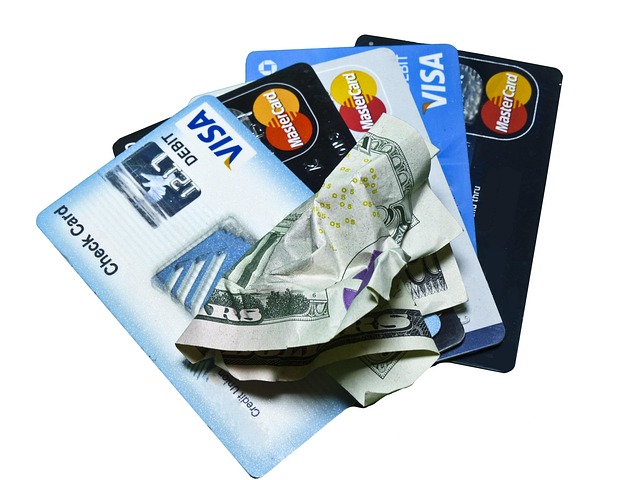
For years, I’ve written about it. Check the interest rate on your credit card. Pay off your credit card bill monthly to avoid interest charges.
To me, it seems, the only response to the Trump administration’s proposal to cap credit card interest rates at 10 percent is that it’s fantastic.
Bankers, of course, say it’s a bad idea. They make a lot of their profits from credit cards.
Trade organizations for banks, The Consumer Bankers Association, Bank Policy Institute, American Bankers Association, Financial Services Forum, and Independent Community Bankers of America, issued a joint statement:
“We share the President’s goal of helping Americans access more affordable credit. At the same time, evidence shows that a 10% interest rate cap would reduce credit availability and be devastating for millions of American families and small business owners who rely on and value their credit cards, the very consumers this proposal intends to help. If enacted, this cap would only drive consumers toward less regulated, more costly alternatives. We look forward to working with the administration to ensure Americans have access to the credit they need.”
Credit unions, who are supposed to be more consumer oriented, also are opposed.
Scott Simpson, president of America’s Credit Unions, a trade organization for credit unions, said in a statement that credit unions have a proven track record of offering affordable financial services to their 145 million members, many of whom fall into subprime and underserved categories.
“As of January 2026, credit unions’ average interest rate for basic classic credit cards stood at 12.87% compared to banks’ average interest rate of 16.07%,” Simpson said. “With these facts, we are firmly opposed to any effort to create an arbitrary rate cap of 10% on credit cards that millions of people rely on to make ends meet.”
Senator Bernie Sanders, I-Vt., the sponsor of a bill that would cap credit card interest rates at 10 percent, said in a statement that millions of working class families struggle to afford the high prices of groceries, gas, rent, and other basic necessities.
Banks, Sanders said, are engaged in extortion and loan sharking.
“We cannot continue to allow big banks to make huge profits ripping off the American people,” he said. “This legislation will provide working families struggling to pay their bills with desperately needed financial relief.”
The average credit-card interest rate was about 21 percent at the end of 2025, according to the Federal Reserve.
At that rate, having a $10,000 balance for three years would cost more than $3,500 in interest.
I paid that kind of interest for about several years before I got my house paid off. Then, I was able to pay off my credit cards monthly and no longer carried a balance.
Final thoughts
Yes, Congress should pass the 10 percent cap on credit card interest rates. However, the passage of the measure is uncertain due to opposition from banks, who have a lot of clout in the legislative process.



