
For years when I was growing up, my family went to Cashmere, Washington, from Orondo, to my great aunt Mable Kenyon’s home to celebrate Thanksgiving. The meals were fabulous.
After I was married and had kids, I could cook a pretty great Thanksgiving meal, with all the trimmings, myself. Learning to cook and provide tasty food is a big farm tradition.
After my dad passed away, my mom and I enjoyed the Thanksgiving dinners I cooked after she was no longer able to make them.
As I put a big turkey in a cooler to take it over the mountains from Olympia to Wenatchee, I often worried about food safety. I finally figured out I could get a duck or goose when I got to town.
Eighty percent of Americans will be celebrating Thanksgiving this year.
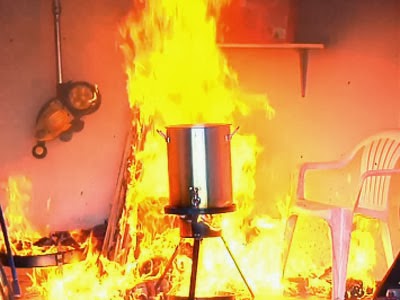
Forty-five percent of annual residential fires are cooking-related, according to the Consumer Product Safety Commission. Cooking fires spike on Thanksgiving Day, with an average of 1,400 cooking fires. That’s more than three times the daily average of cooking fires.
Property loss caused by residential building fires each Thanksgiving is estimated to be $26 million. The annual number of deaths in these fires is five.
Review these tips for a safe Thanksgiving day:
Cooking
- Wash your hands before and during meal preparation.
- Thaw turkey in the refrigerator, allowing about 24 hours for every five pounds of turkey. After it’s thawed, it will be safe in the refrigerator for one to two days. If you use the cold-water method, allow 30 minutes per pound, and submerge the turkey in its original wrapping to avoid cross-contamination. Replace the water frequently when it gets warm. If defrosting in the microwave, follow the manufacturer’s instructions.
- Avoid cross-contamination, the spread of bacteria from poultry to ready-to-eat food, surfaces, and utensils.
- Check the turkey frequently to prevent undercooking and overcooking, but no more than every 40 minutes.
- Cook the turkey to an internal temperature of 165 F.
- Don’t stuff the turkey because it can lead to bacterial growth. However, if you do stuff it, don’t prepare the stuffing in advance, don’t stuff the turkey and leave it in the refrigerator, and cook the stuffing to a temperature of 165 F.
- Avoid being distracted when cooking. Never leave cooking food unattended on the stove or in the oven.
- Make sure smoke alarms are working properly.
- Keep an all-purpose fire extinguisher near the kitchen, and don’t use water to put out a grease fire.
- Never use turkey fryers in the garage or on the porch. Only fry a turkey outside and away from the home.
- Don’t leave food sitting out for more than two hours.
- Store leftovers in small shallow containers and refrigerate. They’ll last for four days in the refrigerator, and they’re best quality if frozen from two to six months.
Health
- Have questions ready, such as “What’s something that’s changed this year that you’re thankful for?”, to change the subject if politics, religion, or some other topic is bringing stress and raising tensions.
- Don’t comment on what others are eating, ask students about school problems or college plans, or ask people about having kids or getting married.
Candles and fireplaces
- Make sure candles and fireplaces are never unattended.
- Put out candles before leaving a room.
- Place candles out of reach of small children and pets.
- Keep flammable items at least three feet away from fires in a fireplace.
Home security
- Leave a light and a radio or television on to make it look like someone is home.
- Lock all windows and doors.
- Don’t post on social media that you will be or are on vacation. If you do write about being gone, go to the privacy settings and make your social media profiles as private as possible.
Travel
- Keep track of weather and road conditions through local radio, television, or social media.
- Drive at a safe speed and expect traffic delays.
- Wear seat belts and make sure safety restraints for children are right for their age.
- Make sure the car is ready for bad weather. Check tires, brakes, and fluid.
- Have an emergency vehicle kit in case the car breaks down.
- Report anything that appears suspicious to law enforcement immediately.
- Don’t drink alcohol and drive. Thanksgiving Eve is the deadliest time for alcohol-related fatal accidents.
Pets
- Pets should only have small, boneless portions of fully cooked turkey.
- Consider restricting room access to prevent stress-induced aggression if you have guests.
- Remind guests to not feed pets any table scraps because too much food can lead to stomach problems.
- Feed pets at the same time the Thanksgiving meal is eaten to discourage begging.
- Remove trash and the turkey carcass immediately to prevent pets from eating bones or other harmful foods.
Best wishes on your Thanksgiving celebration. I hope everything goes well and you avoid any safety issues.



