Like many boomers, you’re probably feeling the pinch of tough economic times.
If you’re looking for ways to reduce your food costs, here are 35 suggestions:
Go through your checkbook and credit cards to see how much you’ve spent in the last one to three months on food eaten at home and in restaurants. Check the USDA Food Plans: Cost of Food and determine the level of spending you’d like to reach. Four food plans are discussed: thrifty, low-cost, moderate-cost, and liberal. The amounts are for food eaten at home only.
Set up a meeting with members of the household to determine what changes can be made and who will do what jobs.
Plan menus for a week. Making menus means there will be less food wasted and shopping trips can be reduced.
Use a shopping list based on the menus when buying groceries.
Compare prices among stores using weekly ads.
Compare serving prices among brands in the store.
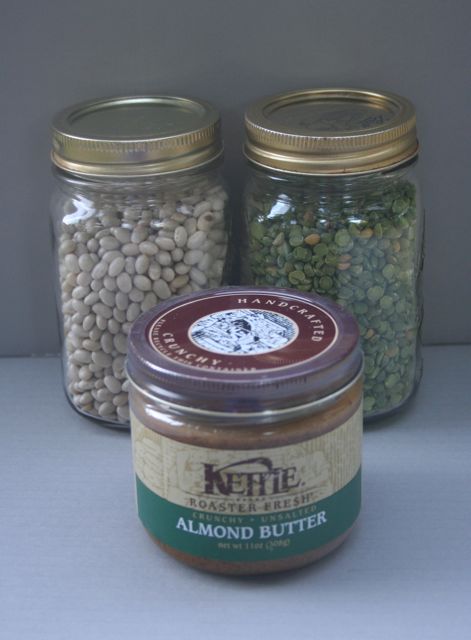
Find ways to reduce or stretch the amount of meat served. Eating more beans, lentils, and rice is one way to do this. Serve salads as a main dish to make meat, chicken, and fish go further. Serve omelets loaded with vegetables as a main dish.
Cook from scratch more. Use less processed food.
Buy store brands rather than more costly brand names.
Check out buying in bulk. Food co-ops and some grocery and health food stores offer bulk items. The savings are astounding on spices.
Eat out less often. Look for buy-one-entree-get-one-free coupons for restaurants. Be sure to read the details on the coupon. See my article Read the fine print, even on a coupon. One survey indicated boomers eat out three times a week. The national average is 1.9.
Buy the largest containers or packages of food that you can use before it spoils. Large items generally cost less per serving than smaller ones. Be sure to compare the per serving costs.
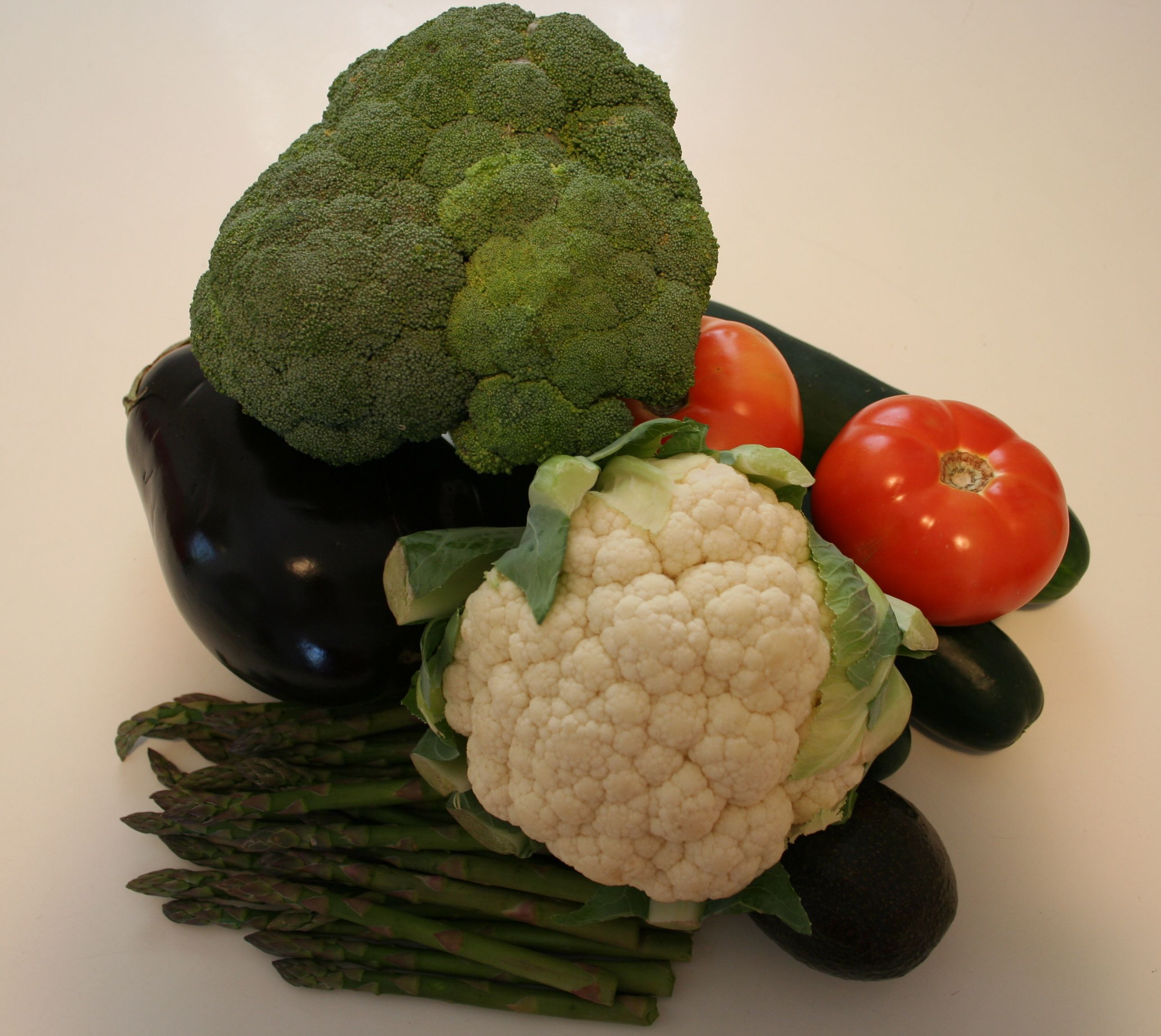
Buy fruits and vegetables in season. See if you can find a farmers’ market with good prices or check to see if farms in your area sell directly to consumers. Try u.jpgck opportunities and freeze the fruits and vegetables. I love to u.jpgck raspberries, strawberries, and blueberries.
Try thrifty food recipes from the U.S. Department of Agriculture.
Make your own master-mix for items such as pancakes and biscuits.
Try collecting coupons to see if you can find any that will help you save money. Many coupons are for brand name food and using them may be more expensive than buying the store brand. Keep coupons in your car.
Cook more of a main dish and eat leftovers for lunch or freeze the remaining amount for a dinner next week.
Take a class in cooking vegetables with herbs to bring new, exciting variety to your meals.
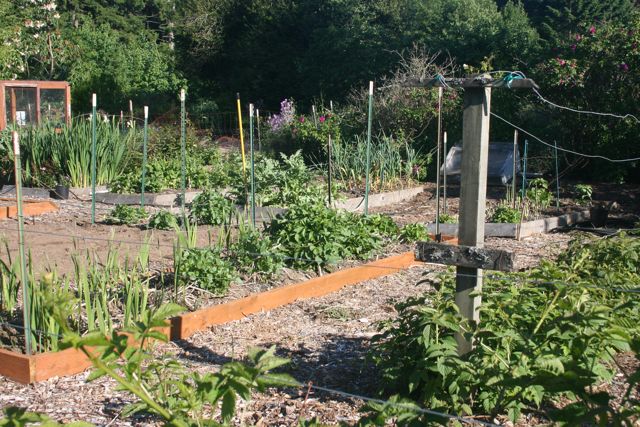
Grow a vegetable or herb garden. If you don’t have a yard, try container gardening or a community garden.
Invite friends to share in a cooking party. Make meals you can freeze to use later in the week.
Don’t shop when you’re hungry, or take children with you to the store.
Invite friends for a potluck rather than an expensive dinner party.
Compare prices for organic food so you can begin or continue to eat it. See Rebecca Blood’s blog, Rebecca’s Pocket, to learn how she lived on the amount of money food stamp recipients receive using organic food.
Serve smaller portions.
Eat less food.
Cut out sweets and chips.
Make your own salad dressings.
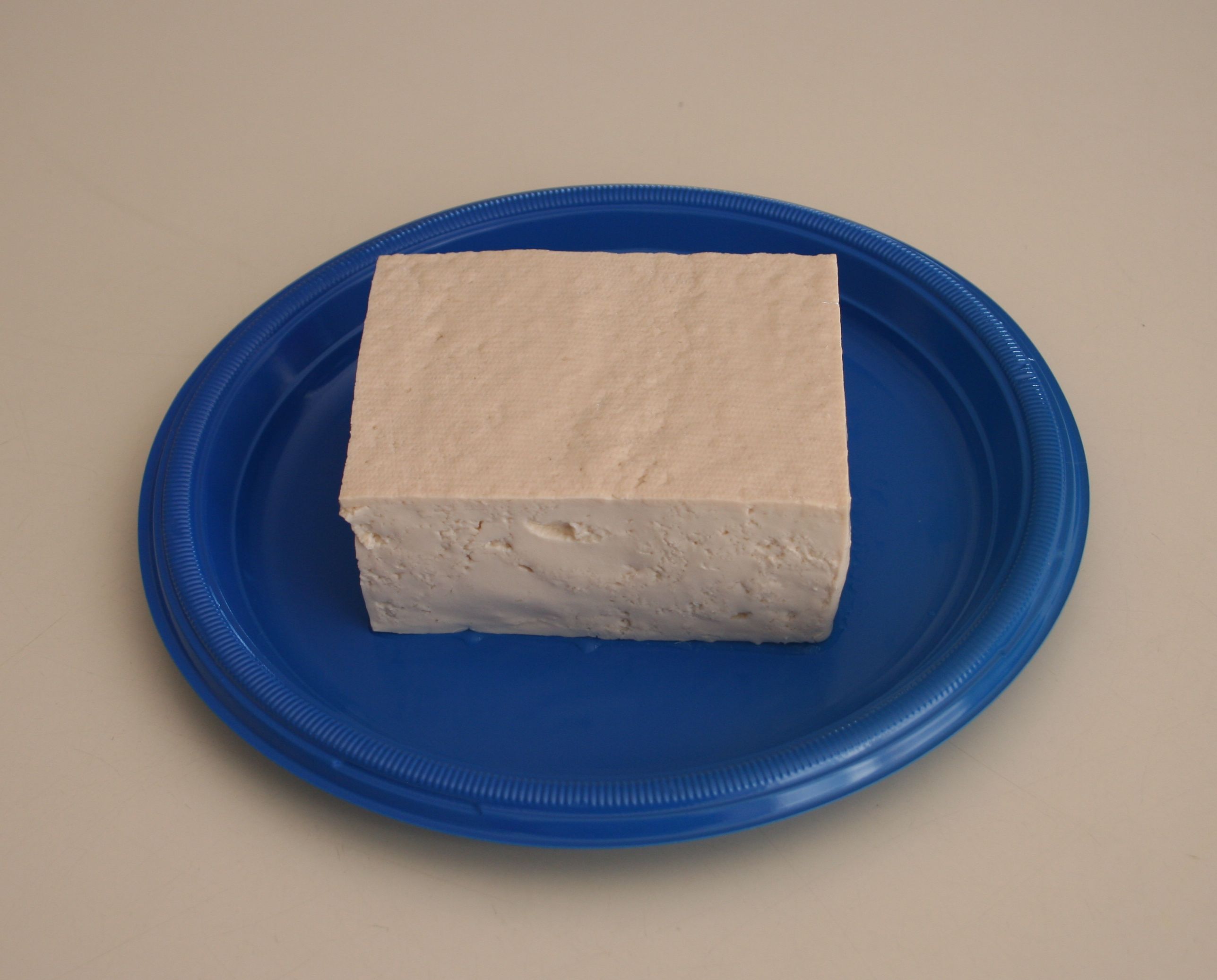
Try tofu. It doesn’t have much flavor so mix it with beans, lentils, or rice, sauces, or herbs or spices. See the allrecipies website for Vegetarian Tofu Main Dish Recipes.
Cut alcohol consumption.
Avoid fast food and junk food.
Cook oatmeal, corn meal, and rice cereal you buy in bulk instead of eating more expensive, processed dry cereals.
Figure out an alternative to drinking bottled water. Research how much it would cost to filter water in your home, or buy distilled water at a food co-op or store.
Make your meals attractive. Serve foods with different textures and colors.
Pack lunches rather than eating out.
Review Dietary Guidelines for Americans to make sure you’re meeting nutritional needs with your new, cost-cutting plans.
Let me know if these or other tips are working for you as a busy boomer consumer.
Great list, I like all the ideas. We are eating out less and I’m trying to bring lunch to work when I can. Now I spend $100 at the grocery store and just take home 2 bags! We are also trying to buy more organic and free range eggs which are more expensive.
Hi Mona,
Thanks for writing about the ways you’re using to reduce your food bill. I’ve been reading on the Internet that more people also are eating out less and taking lunches to work to cut food costs. One boomer study said boomers are eating out less to reduce expenditures.
Rita
I love the suggestions given above. Nowadays, we’re experiencing to much problems especially in our health. Eating healthy foods will help us to be healthy and save alot of money.




Great list, I like all the ideas. We are eating out less and I’m trying to bring lunch to work when I can. Now I spend $100 at the grocery store and just take home 2 bags! We are also trying to buy more organic and free range eggs which are more expensive.
Hi Mona,
Thanks for writing about the ways you’re using to reduce your food bill. I’ve been reading on the Internet that more people also are eating out less and taking lunches to work to cut food costs. One boomer study said boomers are eating out less to reduce expenditures.
Rita
I love the suggestions given above. Nowadays, we’re experiencing to much problems especially in our health. Eating healthy foods will help us to be healthy and save alot of money.
I follow you VIA GFC and I love your blog!