Continental Airlines and ExpressJet Airlines have been fined $100,000 by the U.S. Department of Transportation for their roles in causing the passengers on board Continental Express flight 2816 to remain on the aircraft at Rochester (Minn.) International Airport for an unreasonable period of time on Aug. 8, 2009.
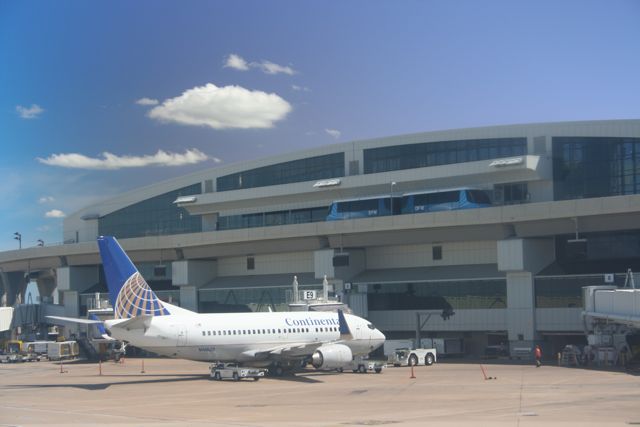
Continental also provided a refund to each passenger and offered additional compensation to acknowledge his or her time and discomfort. In addition, the department assessed a civil penalty of $75,000 against Mesaba Airlines, which provided ground handling for the flight, for its role in the incident.
These precedent-setting enforcement actions are the first enforcement orders punishing carriers for extended tarmac delays, as well as the first time a carrier acting as a ground handler for another airline has been punished for failing to properly help passengers leave an aircraft during an unreasonably long tarmac delay.
“I hope that this sends a signal to the rest of the airline industry that we expect airlines to respect the rights of air travelers,” said U.S. Transportation Secretary Ray LaHood. “We will also use what we have learned from this investigation to strengthen protections for airline passengers subjected to long tarmac delays.”
The Aviation Enforcement Office’s investigation found that all three carriers violated the law that prohibits unfair and deceptive practices in air transportation for their respective roles in the incident, in which a Continental Express flight from Houston to Minneapolis/St. Paul operated by ExpressJet was diverted to Rochester due to bad weather in Minneapolis.
The aircraft reached Rochester about 12:30 a.m. and the passengers were stranded aboard the aircraft until approximately 6:15 a.m. when they were finally deplaned into the terminal.
In November 2008, the department proposed a rule to enhance airline passenger protections, including a provision that would require airlines to adopt contingency plans for lengthy tarmac delays and incorporate them in their contracts of carriage. A final rule is expected by the end of this calendar year.