It’s summer, and since more Americans will be traveling due to the economic recovery, it’s likely that many will be taking their pets with them on vacation.
Before hitting the road, it's important to be prepared.
Here are tips from Trips With Pets.com:
Healthy start. To make sure your pet is "up" for its journey, visit a vet for a checkup and review of vaccinations.
A pet ID tag. It’s essential. This means a temporary ID tag with the address where you’re staying, along with your pet's permanent ID tag.
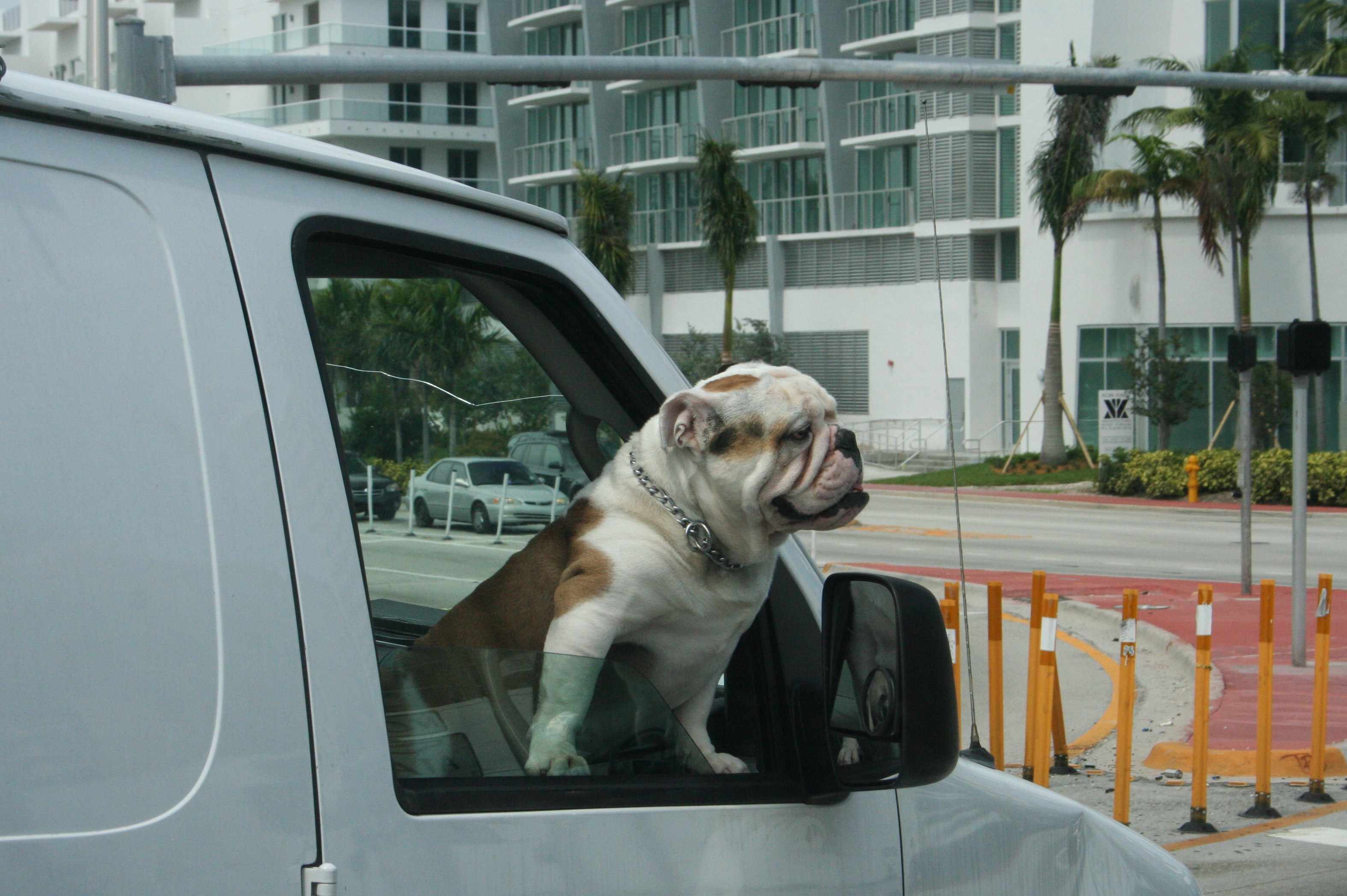
No heads out the window. It's not safe. Your pet can be injured by flying debris. Never travel with a pet in the back of a pickup truck. It’s illegal in some states, and it’s always dangerous.
Frequent pit stops. Always provide frequent bathroom and exercise breaks. Most travel service areas have designated areas for walking pets. Stay in this area when your pet needs a potty break and bring along a bag to pick up after your pet. When outside your vehicle, make sure that your pet is on a leash and wearing ID tags.
Proper hydration. During your pit stops, provide your pet with fresh water. Occasionally, traveling can upset your pet's stomach. Take along ice cubes, which are easier on your pet than large amounts of water.
Food. Keep feeding to a minimum during travel. Feed pets their regular pet food and don’t feed them fast food or other junk food.
Pets in parked vehicles. Never leave your pet in a parked vehicle. On warm days, the temperature can rise to 120 degrees in minutes, even with the windows slightly open. In addition, an animal left alone in a vehicle is an invitation to pet thieves.
Restraints. Be sure that your pet is safely restrained in your vehicle. Using a pet safety harness, pet barrier, or travel kennel are the best ways to keep your pet safe They protect your pet from injury and help keep you from being distracted. You may want to let your pet wear the harness by itself a few times before using it in the vehicle. If your pet prefers a travel kennel, be sure it’s well ventilated and stabilized. Vehicle barriers are best suited for SUVs.
Safe and comfortable. Whatever method you choose to restrain your pet, be sure it’s comfortable. A favorite blanket or travel bed can help. A pet car seat may also provide comfort.
Pet-friendly accommodations. Get a ground floor room to make bathroom runs easier. Cover any furniture and beds your pet will be allowed on. Put litter boxes in the bathroom to make clean up easier. Don’t leave your pet alone in the room. Always keep your pet on a leash and don’t take it into the dining areas.
See this video from Bankrate.com, "Keep Pets Safe When Traveling," for examples of what pet restraints look like.