
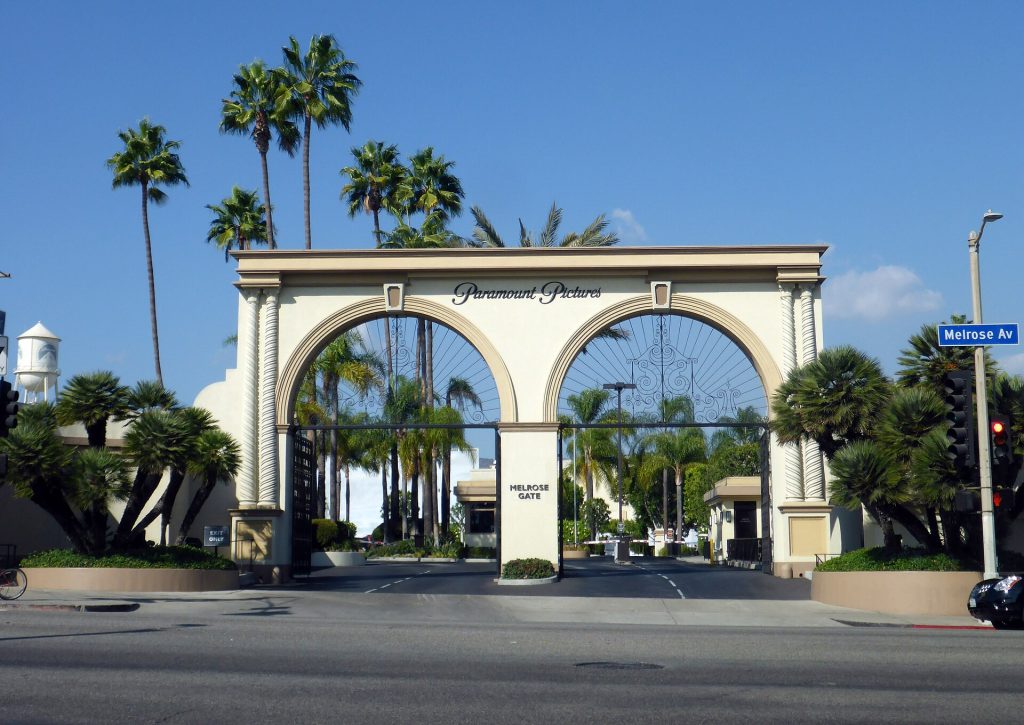
A coalition of 12 state attorneys general announced a settlement Monday with Paramount Skydance Corp. and Warner Bros. Discovery resolving the states’ lawsuit alleging the merger of the two entertainment companies would harm competition by lowering output and raising prices and, as a result, hurt the entertainment industry, workers, and consumers.
Pending approval by the court, for five years, Paramount will be required to increase film output, a minimum of an additional $1.5 billion commitment to bolster domestic film production, a $47.5 million fund for workers who are impacted by the merger, and restrictions on how the company handles cable negotiations to help keep prices competitive.
In July, the coalition of attorneys general sued to challenge the proposed merger of Paramount and Warner Bros. Discovery, arguing the deal was illegal, likely to lessen competition, and threatened viewers with higher prices, the decline of films, and a reduction in the variety, quality, and amount of content distributed.
“While federal regulators ignored the clear impacts to consumers and labor posed by this mega-merger, states came together and secured significant concessions from this media behemoth,” Washington State Attorney General Nick Brown said in a statement.
The settlement includes:
An annual film release commitment: For a term of five years, Paramount is obligated to release:
- 30 films a year – including 20 wide releases – in the first two years.
- 32 films a year – with 21 wide releases – in years three, four, and five.
- Paramount commits to release at least four independent films in each year of the commitment period.
Domestic production: Paramount has agreed to bolster the merged company’s U.S. film production and spend an at least additional $1.5 billion over five years over its 2025 U.S. spending levels. Now, about 5 percent of Paramount’s production is in the United States.
Independent film fund: The merged company will form and operate a fund for purchasing independent films and will make an annual contribution of $5 million per year, for a total of $25 million.
Protections for workers: The merged company will commit $47.5 million in a Workforce Fund over five years for training and career development for workers who are displaced by the merger. The merged company is also required to honor previously established collective bargaining agreements and bargain in good faith with unions in years to come.
Cable agreements: For five years, the merged company is required to conduct negotiations for Paramount basic cable channels independently from negotiations for Warner Bros. Discovery basic cable channels, preserving the existing competitive dynamic between the companies. The merged company also agrees to effectively cap the affiliate agreements for those packages.
Ongoing monitoring: The company also agreed to appointment of an independent monitor to oversee its compliance with this agreement.
Brown said the settlement includes a $30 million penalty per film if Paramount falls short of these pledges, with 90 percent going to workers. There is also a stipulation that Paramount would be forced to divest the production company Miramax if the company fails to reach this release goal.
In addition, Paramount is required establish a new board for CBS News and CNN to ensure editorial independence.
The acquisition will bring together two film studios, Paramount and Warner Bros. Discovery; a portfolio of TV networks; broadcast network CBS; and two streaming services in Paramount+ and HBO Max.
In addition to Washington state, the attorneys general of California, Arizona, Colorado, Connecticut, Massachusetts, Minnesota, Nevada, New Jersey, New Mexico, New York, and Oregon were part of the lawsuit and settlement.
Photo: Coolcaesar



