 Some stores have short or unfriendly return policies. These and other stores often extend their return policies during the holidays. However, many stores only give you a few weeks to return your item even during the holidays.
If you’re dealing with dozens of gifts, it might even be a good idea to make a list of return dates, especially for large ticket items such as computers.
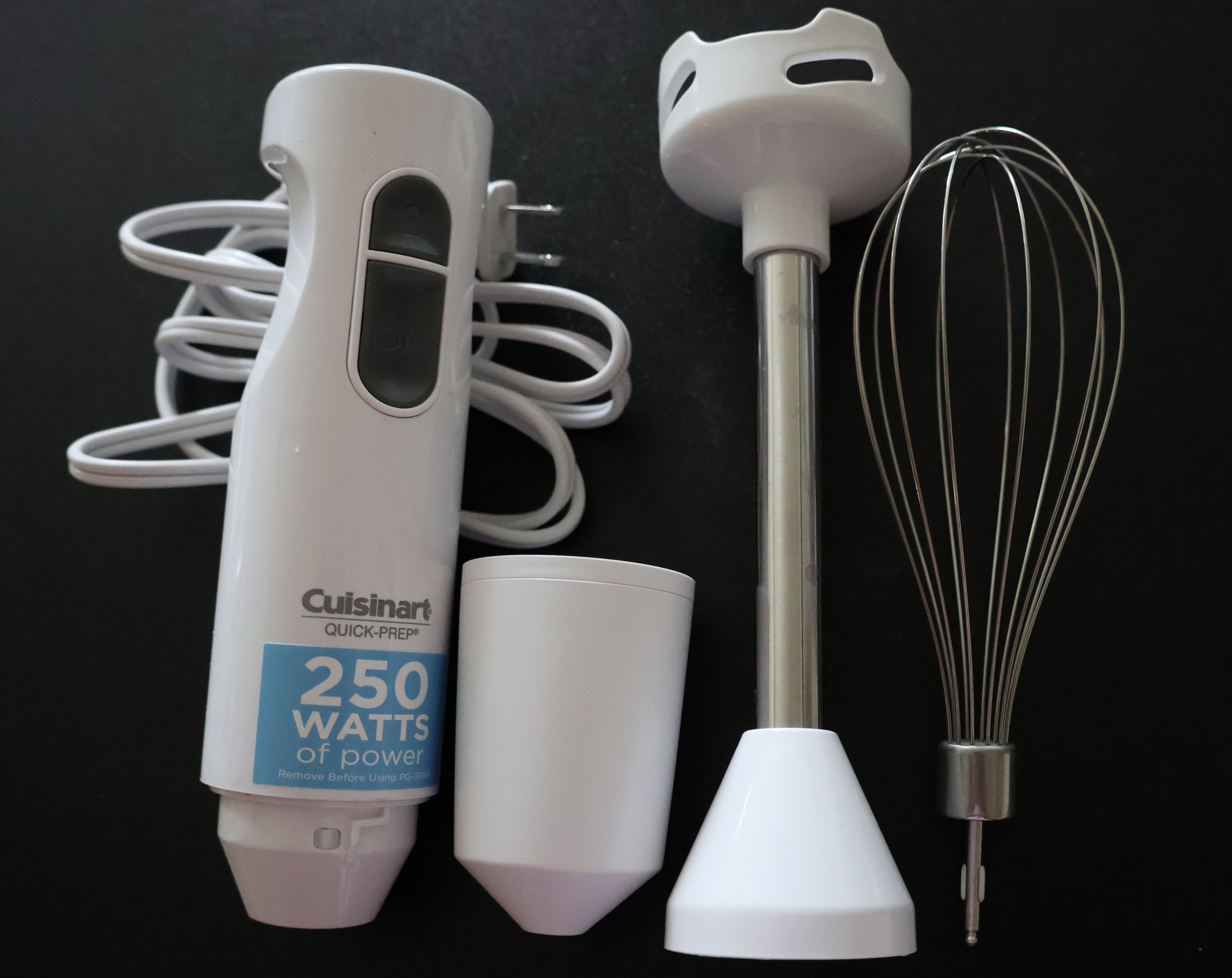
Recently, I had a good experience with a return. An immersion blender that my daughter bought for me this summer stopped working. I took it back to Target. I didn’t have the receipt, and my daughter lives in California, so her charge card information wasn’t available.
The sales representative said he couldn’t give me a refund, but he could give me a store credit. And, he added, it might not be for the total of the purchase.
Fine, I said.
I bought another one, and the store credit covered it with 6 cents extra.
I had less luck with another Target return.
It irritates me that the new lightbulbs say they’ll last for 22 years. I’ve been writing on the lightbulb boxes when they’re installed, and writing on the lightbulbs when they burn out.
It’s an irritating use of my time, and a waste of storage space in my laundry room cupboard. But, I keep doing it.
I had the receipt for two lightbulbs, so I took them back to Target. The sales representative said Target doesn’t care if the lightbulbs don’t last 22 years. I’d need to contact GE. I asked to talk to the manager. The manager took the box and pointed to the GE phone number on the back. She said I could call them.
I took another set of lightbulbs back to Costco. They could only find half of the lightbulbs purchased on their computer, so I only received a partial refund, but at least it was something.
The Federal Trade Commission offers these tips for holiday returns:
Check out store policies. Return and exchange policies vary by store, and many stores won’t take returns or exchanges after a certain time such as 30 or 90 days. Policies and deadlines are often printed on the back of receipts. Don’t delay in returning your undamaged item to have the best chance for a refund, exchange, or store credit. You might have to contact the manufacturer to return a defective or damaged product after the seller’s return deadline.
Understand return shipping costs. If someone bought your gift online, search for the seller’s return policy. Pay attention to who pays for shipping. If you have to pay, you might be able to save on fees by returning the item to a local store.
Use gift card exchange websites with caution. These sites let you sell or swap cards, as well as shop for discounted cards. But always read about an exchange website before selling or buying a gift card. See what others have to say – and make sure the exchange has a post-purchase guarantee that ensures cards are legitimate.
Gather receipts. Returning or exchanging an item in-store often requires documentation, and maybe an ID. Take the item, receipt, and original packaging to the store. No receipt? Expect a store credit, often for the lowest sales price.
Ask to speak with a manager. If you have a problem, a supervisor or customer service representative will likely have more flexibility and authority to resolve the issue.
Final thoughts. Take action ahead of time to make returning purchases easier. It could help you save time and a considerable amount of money.