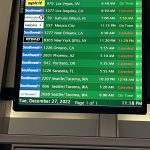
Winter storms recently caused thousands of flight cancellations and delays nationwide, leaving many travelers stranded or facing unexpected travel changes. Additional winter storms are forecast in the coming weeks, and consumers need to understand their rights when dealing with airlines about flight problems.
What to do about flight delays and cancellations is confusing.
New York Attorney General Letitia James offers these tips to remind consumers of their rights:
- If a flight is significantly delayed, canceled, or if a traveler is denied boarding despite purchasing a ticket, they may be entitled to compensation. Travelers can submit complaints to the Attorney General’s Office in their state and should have the following documents and materials available to provide with their complaint:
- Booking details, such as their ticket, itinerary, and invoice.
- Flight details, such as dates, flight numbers, and city pairs, the combination of departure and arrival airport codes on a flight itinerary.
- Any supporting documentation, such as a copy of the complaint filed with the airline or ticket agent, if available.
- Travelers are eligible to receive a full refund on their ticket within 24 hours of purchasing it and if the ticket is purchased more than seven days before the flight. However, most discount fares are non-refundable.
- Travelers are entitled to a refund if an airline cancels a flight, regardless of the reason, and the consumer chooses not to travel or accept travel credits, vouchers, or other forms of compensation offered by the airline.
- Airlines are required to keep the promises that they make in their customer service plan, including commitments to take care of travelers in case of controllable delays or cancellations. Travelers should consult the U.S. Department of Transportation’s airline cancellation and delay dashboard to see what amenities and compensation airlines have committed to provide passengers in case of a controllable delay or cancellation.
- If a flight is scheduled to depart within seven days, airlines are required to provide status updates within 30 minutes of the airline becoming aware of a change. The flight status information needs to, at a minimum, be provided on the airline’s website and telephone reservation system. The airline must also update all flight status displays and other sources of flight information at U.S. airports that are under the airline’s control within 30 minutes of the airline becoming aware of the problem.
- If an airline has overbooked a flight and not enough passengers have volunteered to give up their seat to fly on a different flight, they may select passengers to bump off the flight. Passengers who are bumped may be entitled to compensation and need to receive a written statement describing their rights and explaining how the airline decides who gets bumped.
- Travelers are entitled to refunds of their checked bag fees if their baggage:
- Has been declared lost by the airline;
- Isn’t delivered within 12 hours after the flight has arrived if it is on a domestic flight.
- Isn’t delivered within 15 hours after the flight has arrived if the flight is international and shorter than 12 hours.
- Isn’t delivered within 30 hours after the flight has arrived if the flight is international and longer than 12 hours.
While airlines may voluntarily offer meal vouchers or hotel accommodations, federal law usually doesn’t require airlines to provide meals, lodging, or ground transportation for delays or cancellations caused by weather. Travelers should review their airline’s customer service commitments to understand what assistance may be available.
James encourages airline passengers to take the following steps when traveling during winter weather:
- Check flight status frequently. Check airline websites or mobile apps before leaving for the airport, as weather-related changes can occur quickly.
- Know your options before accepting rebooking or credits. Passengers aren’t required to accept travel credits or vouchers and may request a cash refund instead if they choose not to travel after a cancellation or significant delay.
- Save documentation. Keep copies of booking confirmations, cancellation notices, and any receipts related to travel disruptions.
- File a complaint if necessary. If an airline refuses to provide a refund required by law or engages in misleading practices, travelers may file a complaint with the Attorney General’s Office in their state.
Best wishes for your winter travel. Things may continue to be quite challenging as harsh winter weather continues.